Living in the Capital Region, homeowners often face unique environmental challenges due to the area's geology and climate. One silent threat that many might overlook is radon gas—a colorless, odorless radioactive gas that can seep into homes from the ground. High radon levels pose serious health risks, including an increased chance of lung cancer with prolonged exposure. Knowing the signs of potential radon issues and when to seek professional help can protect your family and property. In this article, we'll explore key indicators of elevated radon levels in your Capital Region home and the urgent steps to take if you suspect a problem.
Understanding Radon Risks in the Capital Region
The Capital Region, with its diverse soil compositions and bedrock, is known to have areas with higher-than-average radon concentrations. Radon enters homes through cracks in foundations, gaps around pipes, and even through well water in some cases. Because it's undetectable without proper testing, many residents remain unaware of the danger until health issues arise. Staying informed about the risks and signs can make all the difference in safeguarding your household.
Key Signs of High Radon Levels in Your Home
Since radon is invisible and odorless, there are no direct sensory clues to alert you to its presence. However, certain indirect signs and conditions in your Capital Region home might suggest a problem:
- Foundation Cracks and Structural Issues: Visible cracks in your basement floor or walls can serve as entry points for radon gas. Older homes in the Capital Region are especially prone to settling and foundation wear, increasing the likelihood of gas infiltration.
- Basement Moisture or Musty Smells: While not a direct indicator of radon, excess moisture or a persistent musty odor in basements often points to poor sealing or ventilation—conditions that can allow radon to accumulate.
- Unexplained Respiratory Issues: If you or your family members experience chronic coughing, wheezing, or shortness of breath without a clear cause, long-term radon exposure could be a factor. This is especially concerning for children and the elderly.
- High Local Radon Reports: If neighbors or local environmental reports indicate elevated radon levels in the Capital Region, your home might also be at risk. Radon concentrations can vary widely even within the same neighborhood.
When to Act Fast on Suspected Radon Issues
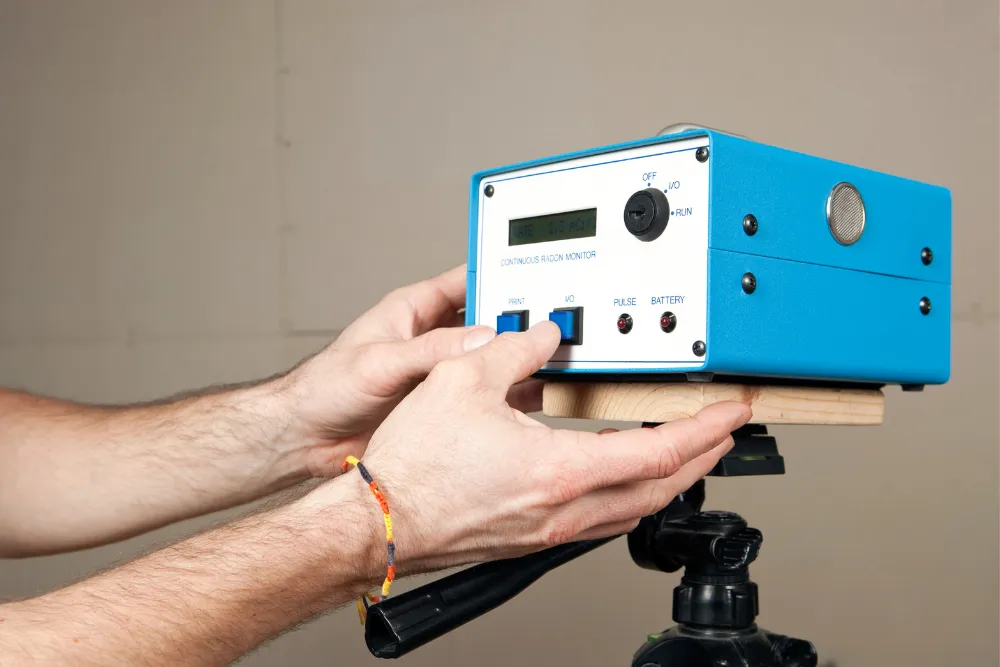
If you notice any of the above signs or simply want peace of mind, the next step is to arrange for professional radon testing. The Environmental Protection Agency (EPA) recommends taking action if radon levels exceed 4 picocuries per liter (pCi/L), though even lower levels can pose risks over time. Testing is quick, affordable, and the only way to confirm whether your home has a problem. For expert assistance, consider reaching out for radon testing services to ensure accurate results and tailored solutions for your Capital Region property.
Why Quick Action Matters
Delaying action on potential radon issues can have serious consequences. Prolonged exposure is linked to significant health risks, and the longer radon accumulates, the harder it may be to mitigate effectively. Acting swiftly by scheduling a test or consulting with specialists can prevent long-term harm and costly repairs.
What to Do if Radon Levels Are High
If testing reveals elevated radon levels in your Capital Region home, don't panic. Mitigation systems, such as sub-slab depressurization or improved ventilation, can effectively reduce radon concentrations to safe levels. Working with experienced professionals who offer radon testing and mitigation services ensures that the solution is customized to your home's structure and the local environment. Taking these steps not only protects your family's health but also enhances the safety and value of your property.
Have More Questions About Radon?
Understanding radon and its risks can feel overwhelming, especially if you're new to the topic. For more detailed insights and answers tailored to the Capital Region, check out our frequently asked questions page here. You'll find helpful information on testing, mitigation, and how to keep your home safe from this hidden hazard.
Protecting your Capital Region home from radon starts with awareness and proactive steps. By recognizing the signs and knowing when to act, you can ensure a healthier living environment for you and your loved ones. Don't wait—schedule a test today and take control of your home's safety.
Ready to Protect Your Home and Family from Radon?
Radon is a silent, odorless threat that can affect any Capital Region home, including Albany and surrounding areas. With professional testing and custom mitigation, we can safely reduce your levels and give you peace of mind.
Call (518) 376-7345 for a free consultation, visit our homepage, or use our contact page to get started.